


News
How Menopause Changes Your Skin and Hair: What You Need to Know
As women enter their 40s or 50s, one of the most noticeable changes during menopause is how their skin and hair begin to transform. Beyond the common hot flashes and mood swings, hormonal changes, especially the drop in estrogen can significantly affect your appearance and confidence.
Understanding what’s happening inside your body can help you take better care of your skin and hair from the outside and within.
1. Why Does Skin Change During Menopause?
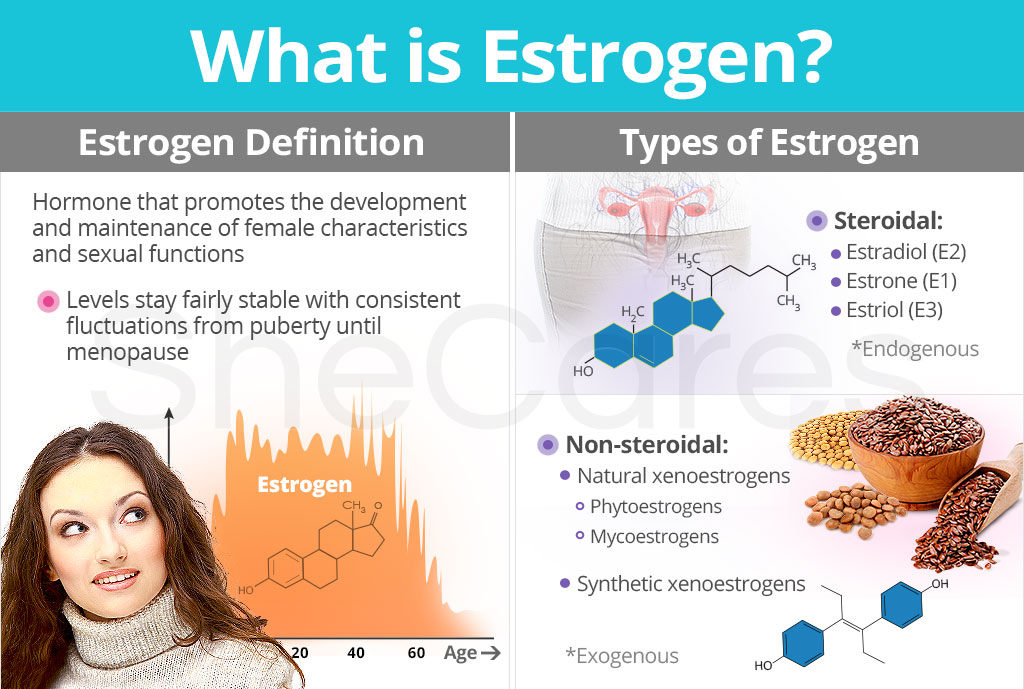
Estrogen is responsible for maintaining skin hydration, elasticity, and collagen production. When estrogen levels drop during perimenopause and menopause, your skin begins to:
- Lose firmness and elasticity
- Form deeper wrinkles and fine lines
- Become thinner, drier, and more sensitive
- Heal more slowly and bruise more easily
Collagen, the protein that keeps skin plump and youthful decreases by up to 30% in the first five years of menopause, accelerating the visible signs of aging.

2. Common Skin Concerns During Menopause
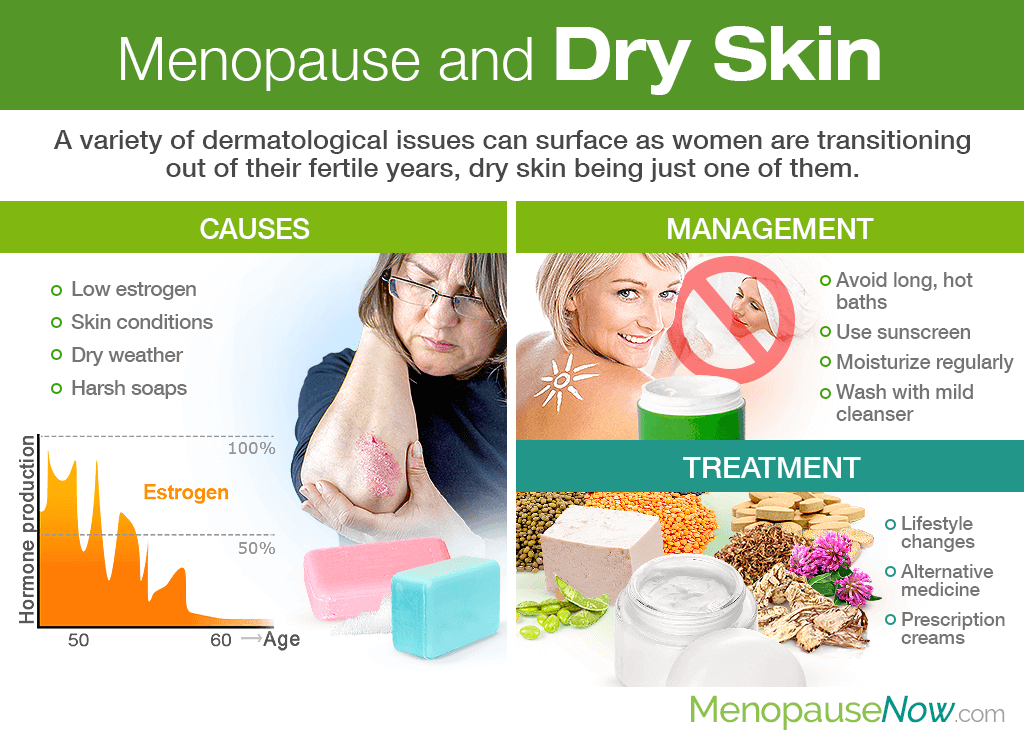
- Dry, itchy, or flaky skin
- Age spots and uneven tone
- Sagging jawline and cheeks
- Acne or breakouts due to hormone fluctuations
These concerns aren’t just cosmetic, they can impact self-esteem and overall comfort.
3. Hair Changes You Might Notice
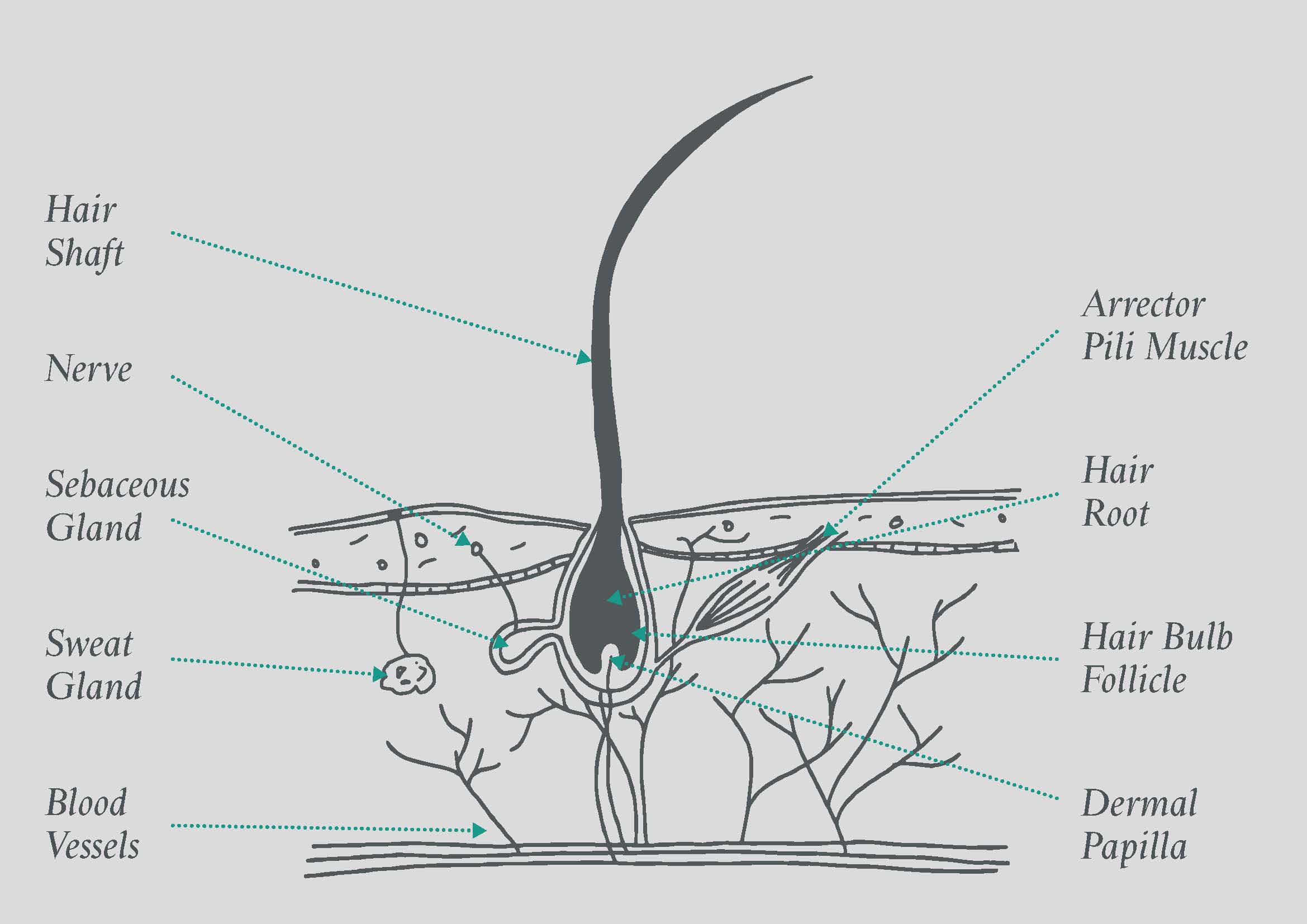
- Hair health is also affected during menopause:
- Hair thinning at the crown or temples
- Slower hair growth
- Increased hair shedding or hair loss
- Drier, more brittle strands
Androgens (male hormones) may become more dominant, contributing to female-pattern hair loss, while estrogen — which once kept hair in its growth phase longer — declines.
4. How to Care for Skin and Hair During Menopause
For Skin:
- Use a gentle, hydrating cleanser and rich moisturizer with hyaluronic acid or ceramides
- Apply broad-spectrum sunscreen daily
- Add retinoids or peptides to boost collagen
- Stay hydrated and eat antioxidant-rich foods
For Hair
- Use volumizing or thickening shampoos
- Avoid harsh chemicals or frequent heat styling
- Eat a protein-rich diet and consider omega-3 fatty acids
- Manage stress and get enough sleep
5. Support From Within: Nutritional Supplementation
Topical care is essential, but supporting your body from the inside plays an equally important role — especially during hormonal transitions.


|

 Address: 20/5 Pham Huy Thong Street, Hanh Thong Ward, Ho Chi Minh City, Vietnam
 Phone: 028 36 36 1125 - Hotline: 090 337 4009
 Business Registration Certificate No. 0309165945 issued by the Department of Planning and Investment of Ho Chi Minh City on December 13, 2016, registered for the 11th change.
 Email: ntndiem@qkmedica.com