

News
STROKE IN YOUNG ADULTS: EARLY WARNING SIGNS AND RISK FACTORS
Younger generations in Vietnam are becoming more and more affected by stroke, particularly in fast-paced cities like Saigon. According to a World Health Organization research, 10–15% of people under 45 worldwide now have a stroke, which is indicative of an increase in early-onset instances worldwide¹. Five to seven percent of stroke cases in Vietnam involve people under 45³, and the average age of stroke patients is 62, which is almost ten years younger than the global norm. It is possible to prevent long-term disability and save lives by knowing why strokes occur in young people and how to spot early warning symptoms.
Rising Incidence Among Young Adults
According to a 2023 study that was published in the American Heart Association Journal, the incidence of stroke among persons aged 20 to 49 has increased by 40% during the previous 20 years. Similar trends have been observed in Vietnamese hospitals: one institution in Ho Chi Minh City reported a 15% increase in stroke admissions for patients under 45 in a single year³, while another facility reported that almost one in four emergency stroke patients was under 55³. Experts blame this increase on changes in lifestyle, including processed foods, sedentary work, long-term stress, and urban pollution.
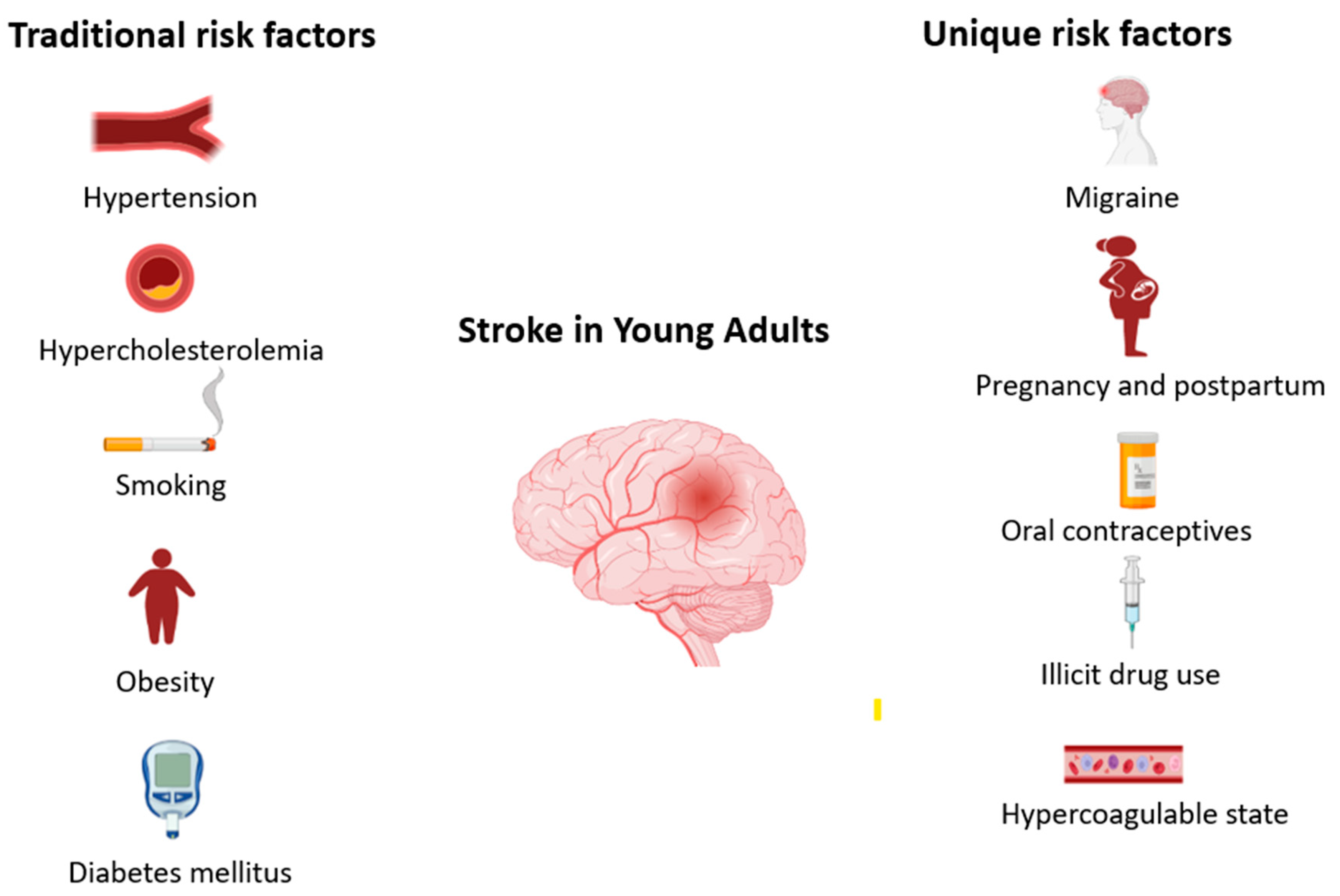
Major Risk Factors

1.High blood pressure
The biggest risk factor for people of all ages is uncontrolled high blood pressure.According to a 2022 meta-analysis published in the Journal of Clinical Hypertension, keeping blood pressure below 120/80 mmHg reduces the risk of stroke by more than 50%. ⁶.
2. Obesity and Unhealthy Diet
Obesity and metabolic syndrome are exacerbated by diets heavy in sugar, saturated fats, and sodium.According to a survey by the Vietnamese Nutrition Society, adults under 40 who consume more fast food are more likely to be obese and have diabetes.
3.Sedentary Lifestyle
Sitting for more than eight hours a day raises the risk of stroke by 14%, according to research published in the International Journal of Behavioral Nutrition in 2021.Frequent exercise is still a crucial preventative strategy.
4. Smoking & Alcohol
The Global Burden of Disease Study (2022) found that heavy alcohol usage increases the risk of stroke by 30% and tobacco use doubles it. ⁹. Important first actions are reducing alcohol consumption and quitting smoking.
5. Persistent Situations
Atherosclerosis is accelerated by excessive cholesterol and early-onset diabetes. According to a Saigon observational research, 20% of young stroke patients showed prediabetes¹⁰ that had not been identified before.
6. Stress and Excessive Work
Long-term stress raises blood pressure and interferes with sleep. High levels of work-related stress were associated with a 25% rise in stroke biomarkers¹¹, according to a 2023 survey of Vietnamese professionals.
7. Managing Pregnancy and Birth
Contraceptives based on estrogen may marginally increase the incidence of clots, particularly among smokers. Hemodynamic alterations during pregnancy and after giving birth also increase the risk of stroke¹².
8. Abuse of substances
Cocaine and other illegal stimulants can cause acute strokes. Even in otherwise healthy young adults, case reports in the Asian Journal of Neurology highlight the risk¹³.
9. Hereditary Propensity
Risk is increased by a family history of clotting problems or stroke. Early identification of vulnerable individuals in high-risk households has been successfully achieved using genetic screening¹⁴.
Early Warning Signs: The F.A.S.T. Method
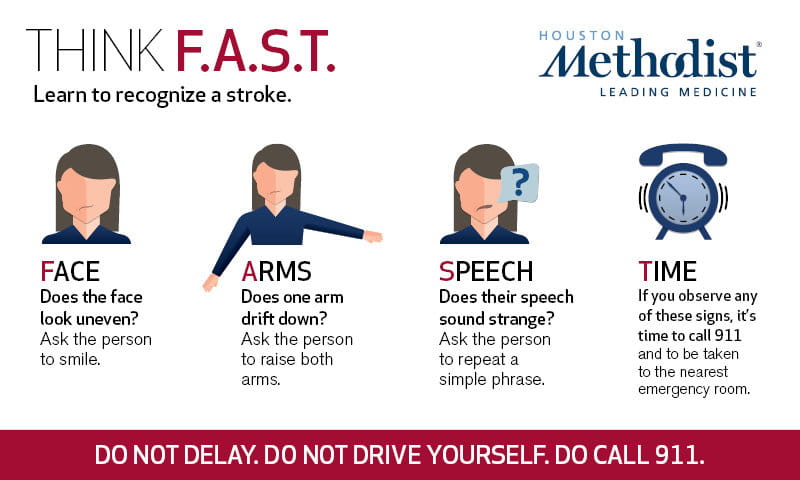
Young patients often dismiss stroke symptoms as fatigue or stress. The F.A.S.T. acronym helps everyone remember four critical signs:
F – Face drooping: Ask the person to smile; one side may sag¹⁵.
A – Arm weakness: Have them raise both arms; one may drift downward¹⁵.
S – Speech difficulty: Look for slurred or confused speech¹⁵.
T – Time to call emergency: In Vietnam, dial 115 immediately.
A posterior or hemorrhagic stroke may also be indicated by other symptoms, such as sudden dizziness, alterations in vision, a severe headache, or confusion¹⁶. Additionally, women may be more likely than men to develop nausea or generalized weakness¹⁷.
The Value of Prompt Treatment
"A lost time is a lost brain." Millions of neurons are killed every minute of delay⁴. In specialized centers, mechanical thrombectomy may be possible up to 24 hours after the onset of symptoms, and clot-busting medicine is most effective within 4.5 hours of ischemic stroke ¹⁸. According to a neurologist in Ho Chi Minh City, delayed arrivals frequently miss these crucial times, which leads to worse results¹⁹.
Prevention Strategies
- Preventive lifestyle changes can avert over 80% of strokes ²⁰:
- Monitor Blood Pressure: Check regularly and aim for <120/80 mmHg.
- Quit Smoking & Limit Alcohol: Reduce stroke risk by up to 60% after one year of cessation²¹.
- Balanced Diet: Emphasize fruits, vegetables, whole grains; limit salt and trans fats.
- Regular Exercise: ≥150 minutes of moderate activity per week lowers risk by 25%²².
- Maintain Healthy Weight: Even modest weight loss improves blood pressure and insulin sensitivity.
- Manage Stress & Sleep: Strive for 7–9 hours of sleep nightly and use stress-reduction techniques.
- Control Chronic Conditions: Adhere to prescribed treatments for diabetes, cholesterol, and heart disorders.
- Routine Screenings: Early detection of hypertension, diabetes, and atrial fibrillation saves lives.
No longer are strokes limited to the elderly. Understanding risk factors and early warning indicators is crucial given the increased incidence among young adults in Vietnam. Act right away and keep in mind that every second matters. Through the adoption of healthy lifestyle choices and timely medical intervention, people of all ages can significantly lower their risk of stroke and enhance their chances of recovery.
References
1.World Health Organization. Global stroke statistics, 2023.
2.Vietnam Ministry of Health. National stroke surveillance report, 2024.
3.Saigon General Hospital Stroke Unit data, 2023.
4.Johnson et al. “Trends in Young Adult Stroke Incidence,” AHA Journal, 2023.
5.Nguyễn & Trần. “Urban Lifestyle and Cardiovascular Risk,” Vietnam Journal of Public Health, 2022.
6. Lee et al. “Blood Pressure Control and Stroke Risk,” Journal of Clinical Hypertension, 2022.
7. Vietnamese Nutrition Society. Fast-food consumption and health outcomes, 2021.
8. Smith et al. “Sedentary Behavior and Stroke,” Int. J. Behavioral Nutrition, 2021.
9. Global Burden of Disease Study 2022.
10. Ho et al. “Prediabetes in Young Stroke Patients,” Vietnam Med J, 2023.
11. Tran et al. “Work Stress Biomarkers in Urban Professionals,” Stress & Health, 2023.
12. Patel & Nguyen. “Contraceptives and Stroke Risk,” Asian Women’s Health, 2022.
13. Asian Journal of Neurology. Case reports on drug-induced stroke, 2021.
14. Genomic Medicine Journal. “Hereditary Stroke Syndromes,” 2022.
15. American Stroke Association. F.A.S.T. awareness guidelines, 2024.
16. Gupta et al. “Atypical Stroke Presentations,” Neurology Asia, 2021.
17. Wang & Li. “Gender Differences in Stroke Symptoms,” Stroke Research and Treatment, 2022.
18. Martinez et al. “Time Windows for Stroke Intervention,” Neurosurgery Today, 2023.
19. Interview with Dr. Hoang Tien Trong Nghia, Neurology Dept., HCMC, 2024.
20. World Stroke Organization. “Primary Prevention Recommendations,” 2023.
21. U.S. Surgeon General. “Smoking Cessation and Stroke Risk,” 2022.
22. American Heart Association. “Physical Activity Guidelines,” 2023.


|

 Address: 20/5 Pham Huy Thong Street, Hanh Thong Ward, Ho Chi Minh City, Vietnam
 Phone: 028 36 36 1125 - Hotline: 090 337 4009
 Business Registration Certificate No. 0309165945 issued by the Department of Planning and Investment of Ho Chi Minh City on December 13, 2016, registered for the 11th change.
 Email: ntndiem@qkmedica.com